

Beauty absolutely offers an advantage in building celebrity status. The general public couldn’t deny it. The ones most lauded for their attractiveness do receive an uncanny number of opportunities to appear on screen—and the stars who rise to the top in terms of beauty have a mysterious pull that skyrockets celebrity status and has huge paycheques rolling in.
Now, not every celebrity is praised for their beauty. Not every celebrity has leapt to fame and fortune because of their looks. But beauty helps. At the very least, it has offered a shield from the intense scrutiny and mockery often aimed at celebrities who are perceived as less conventionally attractive. The “unattractive” celebrity may have an extraordinary level of talent compared to the prettier celebrity, but you’ll probably see more criticism levelled toward the former.
It’s the way of the world. Beauty sells. Not every person is considered beautiful. Everybody wants to be considered beautiful because we all know it comes with perks, like being regarded as an international treasure and trendsetter who doesn’t deserve to be hurt. However, beauty (at least the kind deemed socially acceptable), for whatever reasons, has not been afforded to everyone.
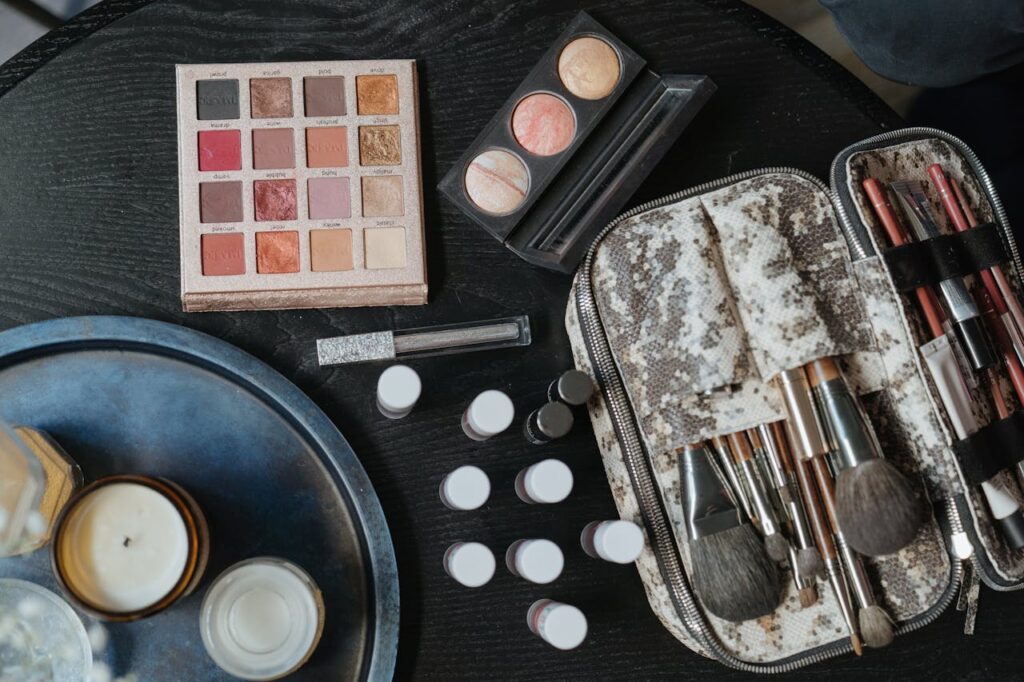
Consider the constant search for beauty—especially the kind that protects from social ostracization and often catapults wealth to ridiculous levels—an easy formula for rolling in the big bucks. And who better to claim XYZ Beauty Company has found the secret than a person already praised for their otherworldly beauty? If you buy this serum, this cream, this foundation, this eyeshadow, this mascara, this hair supplement then you too can look like this gorgeous human and maybe your life can one day be as amazing as theirs—as beauty ads generally imply.
Fronting beauty campaigns was one sure-fire way for celebrities, and the beauty companies they endorsed, to earn a pretty penny. Naturally, this got celebrities wondering if there were other paths to transforming their coveted beauty into cold hard cash. It began with celebrity perfumes. The possibility of smelling like your hero was enough to have fans shelling out their hard-earned dollars, particularly in the ‘90s and early 2000s.
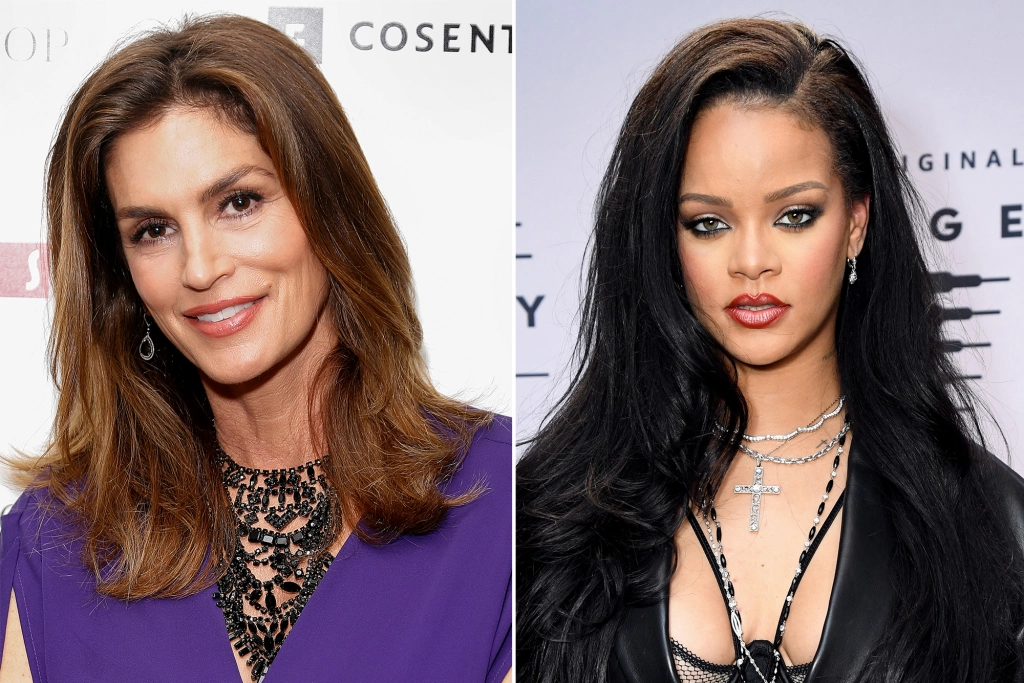
Eventually it wasn’t enough to only linger on the sidelines of the beauty industry. Celebrities started wondering why they couldn’t be in the industry. Perhaps we need to give credit to Rihanna, who is thought to be the catalyst for an ongoing explosion in celebrities-turned-beauty-entrepreneurs. Her success with Fenty Beauty has been notably followed by a surge in superstars adding “CEO of beauty company” to their resumes.
Rihanna wasn’t the first of her kind, though. Cindy Crawford and Drew Barrymore have been running beloved beauty companies since the early days with Meaningful Beauty and Flower Beauty, respectively. However, Rihanna stood out with a strategy not many beauty companies had touched: caring about minorities.
The general public had long since grown restless with the restrictive, impossible beauty standards pushed by the media. Beauty standards were, to put it mildly, not inclusive. We can all recognize beauty in many forms, but the media had a habit of only giving its stamp of approval to one manifestation of beauty and that has had long-lasting consequences, including a sort of global gaslighting. For a long time, admitting beauty could be found everywhere was a faux pas.
The media’s scheming was reflected in the product lines available in beauty departments. Rihanna, who had already amassed millions of dollars as a pop star, put her capital to good use and marked her arrival into the beauty business scene with a line of foundations that branched beyond shades of white. That type of social responsibility was a game changer, but it also showed many celebrities that owning beauty lines could be as lucrative for them as acting, singing, and modelling.
There was no reason not to go a step even further in an industry they’d always had a tight bond with. Unfortunately for them, the people have not been impressed, sniffing out the cash-grab of capitalizing on admiration and associations with beauty to expand already massive portfolios. The question was, “I know they’re pretty, but what do they actually know?”
Some celebrities-turned-beauty-CEOs have escaped the public cynicism, though. Fenty is, of course, still going strong. Hailey Bieber’s Rhode Skin and Selena Gomez’s Rare Beauty have earned a level of respect. Gomez has leaned on the social shift toward portraying beauty as something multi-faceted, fun, and safe rather than unreachable, frustrating, and depressing. Bieber has made it clear via her advisory board of leading dermatologists that she cares about the ingredients that go into her products.
Consumers have been impressed. It seems celebrity-run beauty brands have permission to stay as long as they demonstrate authentic social responsibility and expertise.
Luke Miles | Staff Writer