






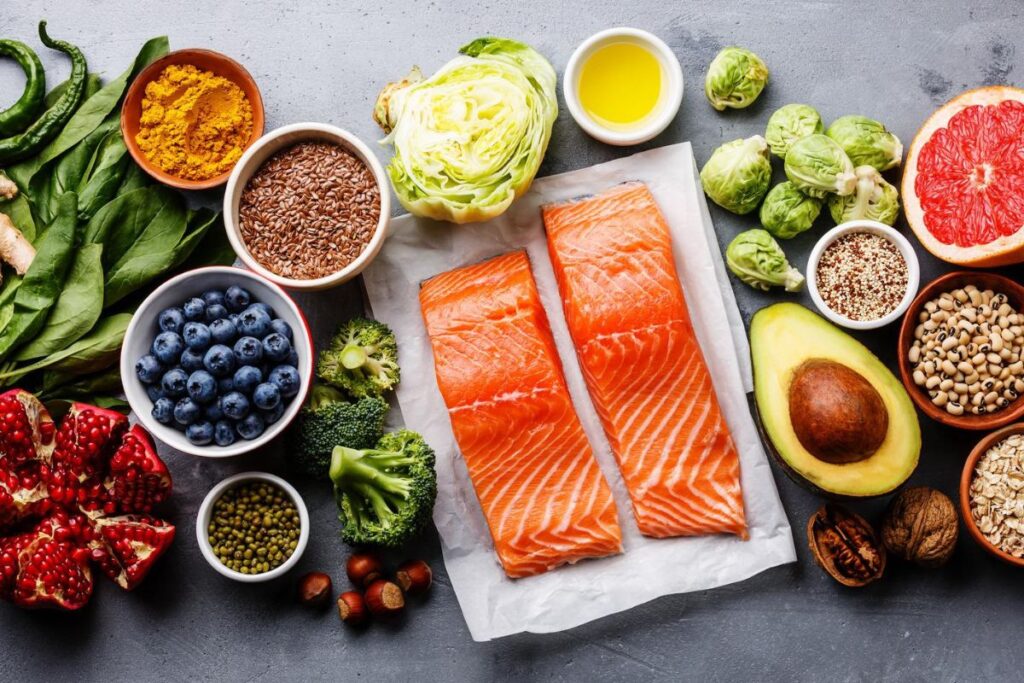
As we age, natural collagen production, the structural protein responsible for skin elasticity, joint flexibility, and overall tissue health, declines, leading to fine lines, joint discomfort, and a loss of skin firmness. Fortunately, the right foods can support and enhance collagen synthesis, helping to maintain youthful skin and muscular connective tissues. Here’s a look at the top collagen-boosting foods to incorporate into your diet.
1. Bone Broth
Bone broth is a powerhouse of collagen, rich in amino acids like glycine and proline—key components for rebuilding tissues. Slow-simmered bones release gelatin, which converts to collagen in the body, supporting skin hydration and joint lubrication.
2. Citrus Fruits
Oranges, lemons, limes, and grapefruits are excellent sources of vitamin C, an essential nutrient for collagen production. Vitamin C acts as a co-factor in collagen synthesis, helping stabilize and link collagen fibres for maximum strength.
3. Berries
Blueberries, strawberries, and raspberries provide vitamin C and contain potent antioxidants that shield collagen from breakdowns caused by free radicals. This protection helps maintain the skin’s firmness and elasticity.
4. Leafy Greens
Spinach, kale, and Swiss chard have tons of chlorophyll, which supports collagen production. These greens also provide vitamin A, another essential nutrient for skin repair and regeneration.
5. Fish and Shellfish
Salmon, tuna, and shellfish contain marine collagen, which is more bioavailable than other sources, meaning it is easily absorbed and utilized by the body. Omega-3 fatty acids in fatty fish also help maintain skin hydration and reduce inflammation.
6. Eggs
Egg whites are rich in proline and lysine, two amino acids essential for collagen formation. They also contain sulphur, supporting collagen cross-linking and improving strength and resilience.
7. Nuts and Seeds
Almonds, walnuts, chia seeds, and flaxseeds provide omega-3 fatty acids, which protect collagen from breakdown. They also supply zinc, a crucial mineral that promotes collagen repair and regeneration.
8. Tomatoes
Tomatoes have lycopene, a powerful antioxidant that helps protect collagen from UV damage. Consuming cooked tomatoes enhances lycopene absorption, amplifying its skin-protecting benefits.
9. Garlic
Garlic is a natural source of sulphur, which plays a role in collagen stability. It also contains taurine and lipoic acid, which help rebuild damaged collagen fibres.
10. Avocados
Avocados are rich in vitamin E and monounsaturated fats, and help protect collagen from oxidative stress. Their hydrating properties also contribute to plumper, more resilient skin.
11. Carrots
Carrots contain beta-carotene, which the body converts into vitamin A. This essential nutrient supports skin cell regeneration and prevents collagen breakdown caused by environmental damage.
12. Pumpkin Seeds
Pumpkin seeds are a great source of zinc, a mineral essential for collagen synthesis. Zinc plays a crucial role in activating collagen-producing enzymes and promoting wound healing.
13. Mushrooms
Mushrooms provide a significant amount of copper, a vital mineral for collagen formation. Copper helps cross-link collagen fibres, ensuring their strength and durability.
14. Bell Pepper
Red, yellow, and green bell peppers have vitamin C, crucial for collagen production. They also contain capsaicin, which has anti-inflammatory properties that support healthy skin.
Dwayne Brown | Contributing Writer