




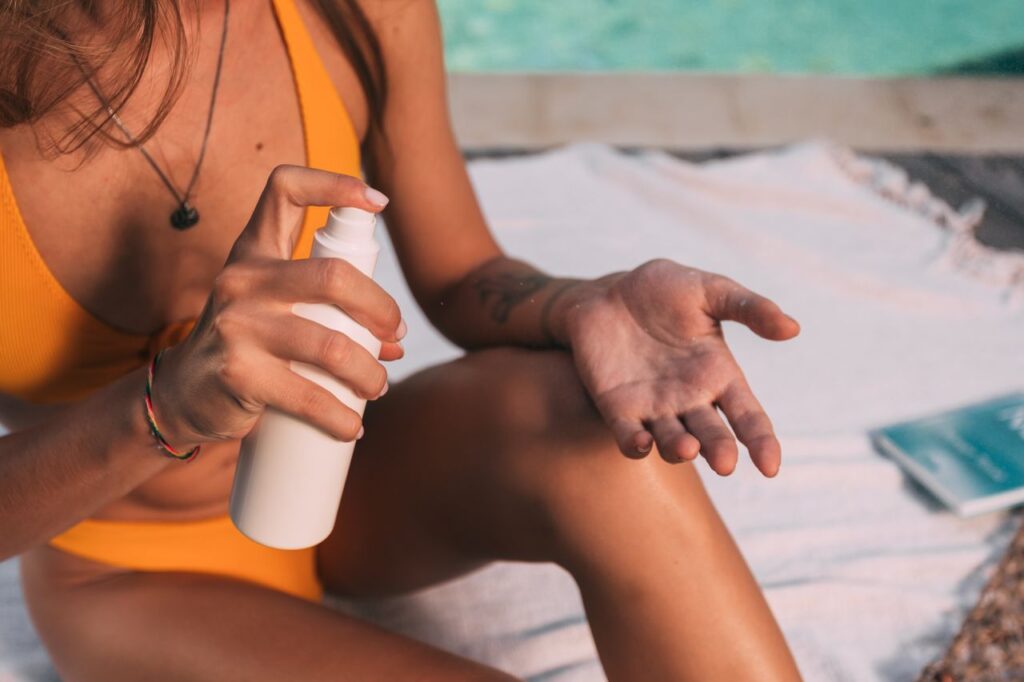
Many people sometimes doubt whether to wear sunscreen or not before heading outdoors in summer. Nevertheless, applying sunscreen is nonnegotiable. Wearing sunscreen is one of the best ways to protect your skin from cancer, and it is also one of the easiest and best ways to protect your skin’s appearance at any age.
When used regularly and becomes part of your daily routine, sunscreen can maintain your skin health by protecting it from premature aging and the increased risk of skin cancer. Let’s look at a few ways to find the right sunscreen.
Broad Spectrum Protection
When using sunscreen of any kind, it’s vital to look for broad-spectrum protection on the label; this means the sunscreen protects against both UVA and UVB rays. UVA rays usually penetrate deep into the skin and cause premature aging and skin damage. UVB rays, on the other hand, are responsible for skin burns. Using broad-spectrum sunscreen provides all-encompassing sun protection, reduces the effect of uneven pigmentation, and lowers your risk of cancer.
SPF 30 or Higher
SPF stands for sun protection factor. This factor indicates the level of protection your sunscreen provides against UVB rays, which have a powerful effect on the skin and can cause skin burn. Usually, the higher the SPF on the label, the greater the protection against UVB rays, which means you can stay longer in the sun without getting burned. An SPF of 30 provides 97 per cent protection, while an SPF of 50 provides 98 per cent protection.
Water Resistant
Another important factor to consider is whether your sunscreen is water-resistant; that would be particularly relevant if you will be swimming or if you sweat a lot. A high-quality, water-resistant sunscreen plays an important role in protecting you from the sun’s harmful effects and in ensuring it stays on your skin even when you swim or sweat. This also helps prevent sunburn and skin damage.
Non- Comedogenic
If you have acne-prone skin, you have to be particularly cautious when applying sunscreen. That’s because oils or silicones can easily clog your pores and cause breakouts. If this is the case, you need a lightweight or gel-based, non-comedogenic, fluid-textured sunscreen that helps prevent breakouts and keeps your skin healthy and protected from the sun. Apart from shielding your skin from the sun’s harmful effects, applying a non-comedogenic sunscreen does not compromise your skin’s clarity.
Dermatologist Tested
Ensuring that the sunscreen you use is dermatologist-tested is important because dermatologists are experts in skin health. A high-quality, dermatologist-tested sunscreen provides the best protection for your skin. That’s because dermatologist testing can assess whether the product is likely to cause skin irritation or allergic reactions. This can be especially relevant for people with highly sensitive skin or skin that irritates easily; it helps protect you from adverse skin reactions.
Sunscreen is your best bet to protect your skin from the sun’s harmful effects. You can also protect yourself from the sun by wearing protective clothing, such as a long-sleeved shirt or blouse, and a wide-brimmed hat. If you think your skin is allergic to a specific sunscreen formula, stop using it and consult your doctor or dermatologist for the right replacement.
Aaron Levinson | Staff Writer