






We all know the holidays can be a stressful time of year. With all of the shopping, wrapping, baking, and hosting to worry about, it’s no surprise that many people develop coping mechanisms to survive. The simplest and most obvious of these coping mechanisms is emotional eating. Emotional eating is not, however, reserved for the holiday season, although it can be a particular challenge considering all the home-made goodies, festive feasts, and sweet treats in abundance. If you are feeling singled out, don’t be too hard on yourself, emotional eating (also known as stress eating) is a common occurrence year-round, and a normal human response to stressful stimuli.
While stress can sometimes lead to emotional eating, it’s important to note that not all stress is bad. We’ve all heard the saying “stress can be a good thing” and it is true, positive stress, also known as ‘eustress’, is the type of stress we feel when we must prepare for an important test or go on a job interview or a first date. Positive stress can help us reach our goals, focus our energy, overcome obstacles, and grow personally and professionally. Negative stress, on the other hand, is known as distress, and describes difficult emotions such as panic, anxiety, or depression. When distress persists, our body’s cortisol levels do not subside. This can trigger emotional eating as eating delicious food produces feel-good chemicals that trick our brain into thinking the stress is gone; however, this effect is only temporary.
That said, emotional eating can become a serious problem if you begin to develop an unhealthy relationship with food, or you cannot longer maintain your fitness goals. Here are some year-round tips to curb emotional eating.
Drink Water
Staying hydrated is a crucial step in any health and diet regime, as the body cues for hunger are the same as those for thirst. If you feel the urge to binge eat, grab a glass of water instead. When your body is dehydrated, it accesses its sugar stores, which sends a false craving for something sweet. When your body is hydrated, it is less likely that you will confuse hunger cues with thirst cues.
Analyze Your Emotional State
Rather than drowning your sorrows in another bag of potato chips, examine what is causing you stress in the first place. Once you know what you are dealing with, you can brainstorm possible solutions. It may also be helpful to keep an emotional eating journal, where you write down your emotions and how they correlate to your relationship with food. Once you discover your emotional eating patterns, you are better equipped to reduce those behaviours.
Exercise
Exercise helps to produce the feel-good chemical endorphins, which can combat emotional eating by reducing your stress and boosting your mood. When you are feeling particularly stressed, take a minute to go for a brief walk outside in the fresh air. Bonus points if you make time to work out every day as a preventative measure.
Intentional Eating
Plan out your daily food intake with set meal times and snack times, and prepare portion-controlled meals. If you graze regularly throughout the day on healthy prepared items, your body will be well nourished, and you are less likely to succumb to a craving. Eating on a set schedule will also help keep you on track with your goals, while simultaneously calling attention to the times when you are tempted to deviate from your itinerary.
Meditation & Mindfulness
Making time for self-care is an important ingredient in battling emotional eating behaviours. Even 10minutes of meditation per day is known to reduce stress, control anxiety, and increase self-awareness. With reduced stress levels, you are far less likely to overindulge. Furthermore, when one is mindful of their thoughts and behaviour, it is much easier to identify and address emotions healthily.
Offer Alternatives
If you are still plagued with a nagging urge to indulge in your favorite treat every time you are in a stressful situation, it may be helpful to consider healthier alternatives to snacking. Chewing gum, for example, is a great way to keep your mouth occupied while satisfying your sugar craving. Another low-calorie option is to drink a cup of tea, or sugar-free lozenges. Sometimes, the sensation of putting something in your mouth is just enough to curb a craving.
Distract Yourself
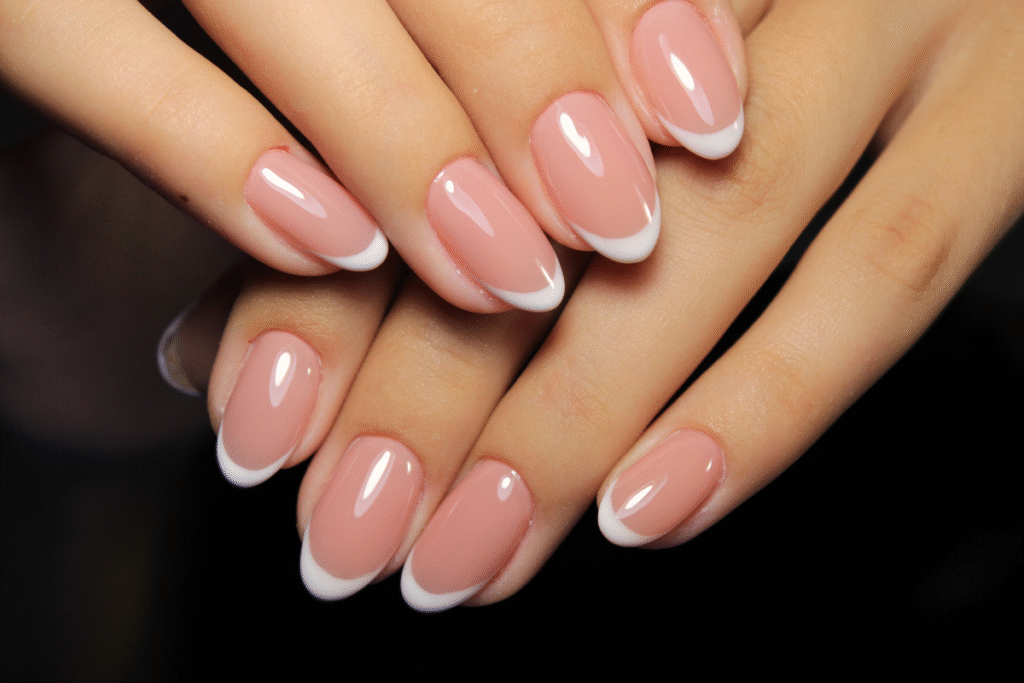
When you are feeling stressed try to focus your energy on something productive, this retrains your brain to associate stress with a positive activity. Whether that is crafting, cleaning your house, or painting your nails, it doesn’t matter, if it increases your dopamine levels. It is also best to avoid activities like watching T.V. for extended periods, as you are much more likely to overeat when you are bored or zoned out.
Jessica Gardner | Contributing Writer