






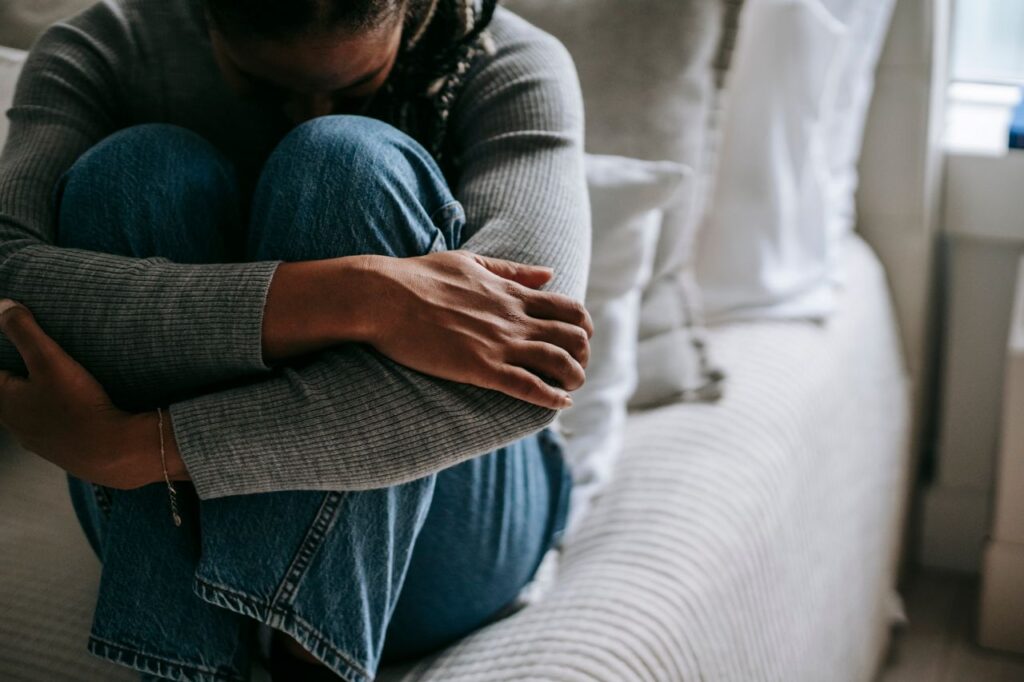
Dysmenorrhea is the medical term for menstrual cramps. It is a prevalent condition affecting millions of women worldwide and for many, it starts with the very first period when a girl enters puberty, the advent of womanhood. Characterized by intense pain and discomfort during menstruation, dysmenorrhea can significantly impact a woman’s quality of life. It is categorized into two main types, primary and secondary. Primary dysmenorrhea refers to common menstrual cramps caused by the release of a chemical called prostaglandins, which trigger uterine contractions.
During menstruation, prostaglandin levels are higher, causing the uterus to contract more vigorously. These contractions help shed the uterine lining, which is the blood and tissue that comes out of the vagina during menstruation. Prostaglandin levels rise right before menstruation begins, and that is why the cramping usually begins one to two days before menstruation, and may last from two to four days, decreasing in intensity as prostaglandin levels decrease. Secondary dysmenorrhea is associated with an underlying reproductive health issue, and can cause painful menstruation. Examples include endometriosis, which occurs when endometrial tissue, the lining of a woman’s uterus, grows outside the uterus. Adenomyosis occurs when the endometrial tissue grows into the wall of the uterus. Pelvic Inflammatory Disease (PID) is when an infection caused by bacteria starts in the uterus and spreads to other reproductive organs. Fibroids are the non-cancerous growths that develop in or around the uterus. Certain congenital conditions, like an irregularly shaped uterus, or conditions that affect the ovaries and fallopian tubes, all contribute to the intensity and length of painful periods.
Hormonal imbalances and lifestyle factors also contribute to the development and severity of menstrual cramps. According to a Cleveland Clinic professional review, “It’s normal to have some pain during menstruation. About 60% of people with a uterus have mild cramps during their period. About 5% to 15% of people report period pain that’s so severe that it affects their daily activities. However, this number is likely higher, as healthcare providers believe many people don’t report menstrual pain.”
A girl who begins menstruation before age 12, women whose periods last more than seven days, smokers, and women who have a biological parent who has dysmenorrhea, are also more likely to get painful periods. Women with dysmenorrhea often experience severe lower abdominal pain, backache, nausea, vomiting, headaches, and fatigue. Some women get pain in their hips, lower back, and inner thighs. These symptoms can be strong enough to interfere with daily activities where women are forced to take time o from work or school or stop doing activities they enjoy.
Engaging in regular physical activity can help reduce the severity of menstrual cramps. Exercise promotes the release of endorphins, the body’s natural painkillers, and can also improve blood circulation, reducing muscle tension. For mild to moderate pain, over the counter, nonsteroidal anti-inflammatory drugs (NSAIDs), such as ibuprofen or naproxen, can provide effective relief. These medications work by reducing prostaglandin production, alleviating pain. Applying heat to the lower abdomen can help relax the uterine muscles and alleviate cramps. Hot water bottles, heating pads, or warm baths are simple yet effective methods for providing comfort during menstruation.
In cases of severe dysmenorrhea, or when over the counter medications are insufficient, women are often prescribed stronger pain relievers or hormonal medications to regulate the menstrual cycle and reduce symptoms. Hormonal medications include birth control options like the pill, patch, or vaginal ring. Women who take hormonal medications often report less menstrual pain.
Maintaining a healthy lifestyle can positively contribute to overall well-being and help manage dysmenorrhea. This includes eating a nutritious, balanced diet with anti-inflammatory foods like leafy green vegetables, ginger, and nuts, and taking supplements like vitamin D or magnesium, which may help reduce inflammation. Getting proper hydration and lots of extra rest will help to lessen the intensity of painful periods. Many women turn to alternative therapies such as massage, acupuncture, yoga, or mindfulness meditation to manage menstrual cramps, as these approaches focus on promoting relaxation and reducing stress, which can contribute to a more comfortable menstrual experience.
In conclusion, studies show that, “There is growing concern that from the age of menarche, the first occurrence of menstruation, individuals who menstruate receive limited education on managing dysmenorrhea.” Women will continue to suffer in needless silence if menstrual health literacy does not receive the importance it requires. It could lead to misinformation about pain management, like the normalization of severe pain. There are concerns that some cases of dysmenorrhea may be symptomatic of undiagnosed medical conditions, like bleeding disorders and endometriosis, and are incorrectly classified as ‘typical of menstruation’ by healthcare practitioners or by individuals themselves. Both primary and secondary menstrual cramps are treatable, so it’s important to get checked by your medical provider if you have concerns. Don’t delay! Help could be just one strategy away.
Janet Bennett-Cox | Contributing Writer